
How you measure success depends on your e-commerce marketing strategies.
How businesses define success often hinges on metrics such as conversion rates, average order value, and customer retention. Effective e-commerce marketing strategies are crucial in achieving these goals, and this post outlines precisely how to accomplish them.
Understanding Your Target Audience
Before diving into any marketing initiatives, it’s crucial to understand your target audience inside and out. Conduct thorough market research to identify their needs, preferences, and pain points. Utilise tools like search engines to gather relevant data, Google Analytics and social media insights to gather valuable data that will inform your marketing strategy.

Defining Your Ideal Customer Persona
Defining your ideal customer persona is the foundation for effective targeting. Without a deep understanding of who you’re selling to, your messaging and tactics will likely miss the mark.
Leveraging Social Media Platforms Effectively
Social media platforms offer a treasure trove of opportunities for e-commerce businesses. From Facebook to Instagram to TikTok, each platform presents unique ways to engage with your audience and drive sales. Utilise targeted advertising, interactive content, and influencer partnerships to expand your reach and attract potential customers.
Example: Promoting Beauty and Lifestyle Products
For example, running discovery ads on Facebook can be an effective way to promote beauty or lifestyle products by tapping into the aspirational desires of your target audience.
Creating Compelling Content
Content is king in the digital age, and e-commerce businesses are no exception. Develop high-quality, relevant content that resonates with your audience and provides value. Whether it’s blog posts, videos, or product tutorials, compelling content can drive traffic to your site and increase conversions.
Establishing Brand Authority
Investing in content marketing not only attracts new visitors but also helps establish your brand as a trusted authority in your niche.
Use video marketing
E-commerce businesses can harness video marketing to showcase product features, benefits, and usage scenarios effectively. Videos build customer confidence, reduce hesitancy, and increase engagement through shareable content on platforms like social media. By creating engaging videos, businesses can deepen audience connections, boost brand credibility, and drive higher conversion rates. You can also use video marketing for PPC campaigns.
Implementing Email Marketing Campaigns
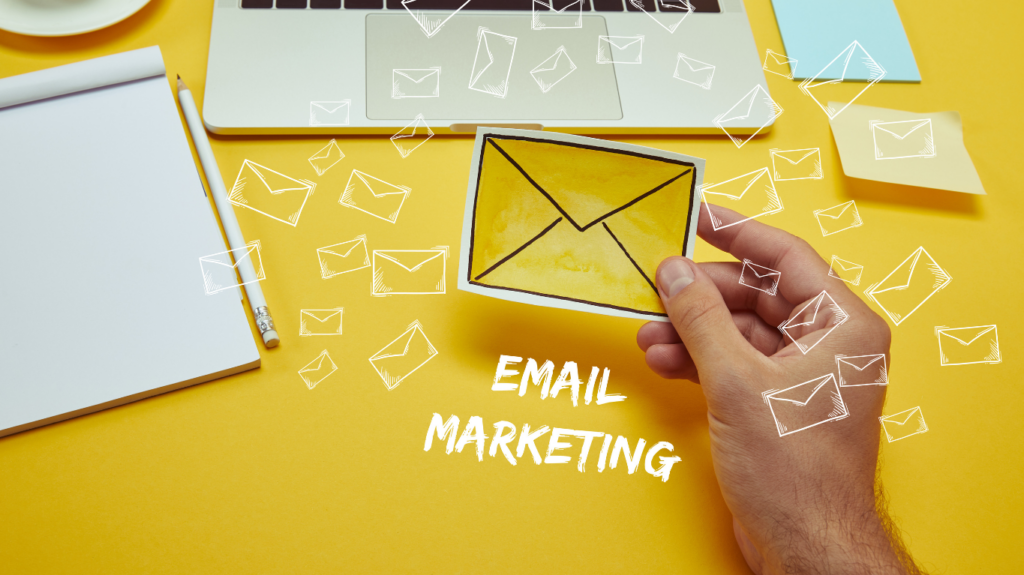
Email marketing remains one of the most effective ways to nurture leads and drive sales. Segment your email list based on customer behaviour and preferences, and deliver personalised content that speaks directly to their needs. From welcome sequences to cart abandonment emails, a well-executed email marketing strategy can significantly boost e-commerce sales for your online store
Driving Repeat Purchases
Don’t overlook the power of email in driving repeat purchases and increasing customer lifetime value, a key metric for e-commerce success
Optimising Your e-commerce Website Design and User Experience
Your website serves as the digital storefront for your e-commerce business, so it’s essential to make a strong first impression. Invest in responsive design, intuitive navigation, and fast loading times to create a seamless user experience. Conduct A/B testing to identify areas for improvement and optimise your site for maximum conversions
Conversion Rate Optimisation

Conversion rate optimisation through improving product pages and checkout flows can have a massive impact on your bottom line. Even minor improvements in conversion rates can significantly impact revenue, enabling you to outbid competitors and capture more market share.
Harnessing the Power of Influencer Marketing
Influencer marketing has emerged as a powerful tool for e-commerce brands looking to reach new audiences and drive sales. Identify influencers in your niche whose values align with your brand, and collaborate on sponsored content or affiliate partnerships. By leveraging the trust and authority of influencers, you can effectively promote your products to their engaged followers, boosting your e-commerce brand visibility.
Building Brand Awareness
Influencer marketing can be particularly effective for building brand awareness and consideration in the early stages of the marketing funnel.
Data-Driven Decisions Fuel Growth
In the digital age, data reigns supreme. Relying on accurate data is paramount for making informed decisions and optimising campaigns effectively. Ensure your conversion tracking is set up correctly across all platforms to avoid skewed data and misguided optimisations.
Monitor Key Metrics
One crucial metric to monitor is the quality score, which directly impacts your cost-per-click (CPC) on platforms like Google Ads. By optimising landing pages and improving relevance, you can boost your quality score, lower your CPC, and gain a competitive edge over rivals.
Additionally, closely monitoring metrics like impressions, clicks, click-through rates (CTR), conversion rates, and return on ad spend (ROAS) can provide valuable insights for refining your strategies. Remember, accurate data is the foundation for effective automation and bidding strategies.
Avoid Data Discrepancies
Inaccurate data can lead to suboptimal decisions and hinder growth. If your conversion tracking is incorrect, automated bidding strategies may lower bids and reduce visibility, resulting in fewer clicks and lower revenue[. Regularly cross-check data across platforms like Google Ads and Google Analytics to identify and resolve any discrepancies.
Invest in SEO (search engine optimisation)
Investing in SEO (Search Engine Optimisation) is crucial for any e-commerce business looking to enhance its online presence, attract organic traffic, and ultimately increase sales. Here’s why SEO should be a cornerstone of your digital marketing strategy:
Increase Visibility and Traffic: SEO helps your website rank higher in search engine results pages (SERPs) for relevant keywords. This increased visibility means more potential customers can discover your products and services organically, without relying solely on paid advertising.
Build Credibility and Trust: High-ranking websites are often perceived as more trustworthy and credible by users. By optimising your site for search engines, you not only improve visibility but also enhance your brand’s reputation in the eyes of potential customers.
Prioritising the Full Marketing Funnel
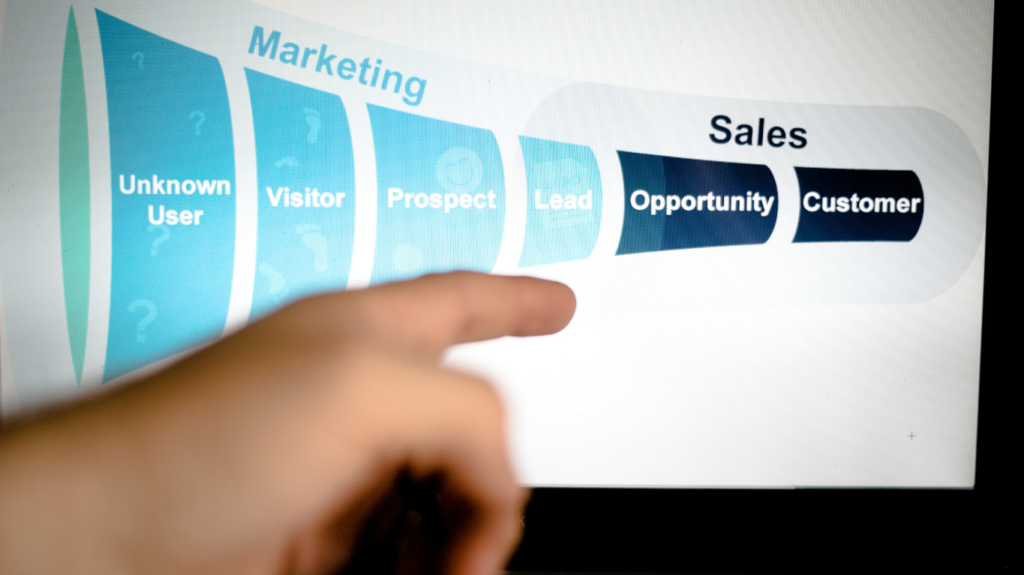
When creating an e-commerce marketing campaign, it’s essential to play the long-term game and think about the full marketing funnel. Are you reaching customers at the beginning, middle, or end of their journey? These are different audiences with varying levels of awareness and consideration.
Funnel Length Varies
For products with a longer decision cycle, like expensive or technical purchases, the marketing funnel can span months. During this time, you need to create visibility, build brand trust, and provide relevant information to guide customers through each stage. Conversely, for impulse purchases or products customers are already familiar with, the funnel may be much shorter, allowing for more direct response marketing tactics.


Nurturing Throughout the Funnel
Being visible and nurturing potential customers throughout the entire funnel is critical, especially for considered purchases that require extensive research and brand trust.
Optimising the Conversion Process
While targeting, data, content, and influencers are crucial components, conversion rate optimisation is the linchpin that unlocks revenue potential. A seamless and compelling user journey from initial touchpoint to purchase is critical for maximising conversions.
Invest in Optimision
Invest time and resources into crafting persuasive sales propositions, optimising product pages with detailed information, and ensuring a frictionless checkout process. Continuously optimising your conversion funnel can increase your ROAS, allowing you to reinvest in marketing efforts and fuel further growth.
Driving Lifetime Value
By optimising for higher customer lifetime value through repeat purchases and cross-selling, you can afford to invest more in customer acquisition, creating a virtuous growth cycle.
Conclusion
In conclusion, by combining data-driven targeting, compelling content, email nurturing, optimised user experiences, influencer collaborations, and a relentless focus on conversion rate optimisation, you can create a holistic marketing strategy that drives sustainable growth for your e-commerce business.
If you’re interested in learning more about how to boost your e-commerce sales then check out our Podcast.
FAQS
What is the best strategy to increase e-commerce sales?
The best strategy is a holistic approach combining data-driven targeting, compelling content, email nurturing, optimised user experiences, influencer collaborations, and a relentless focus on conversion rate optimisation. Understand your audience deeply, leverage multiple marketing channels, and continuously optimise your sales funnel.
What are the tactics of e-commerce promotion?
Key tactics include targeted advertising (social media, search, etc.), content marketing, email marketing, influencer marketing, website optimisation, and conversion funnel optimisation. Utilise data to make informed decisions, monitor the right metrics, and invest in improving user experience and sales processes.
How does marketing strategy increase sales?
An effective marketing strategy reaches potential customers at different funnel stages through the right channels and messaging. It builds brand awareness, nurtures leads, and guides them smoothly to conversion through persuasive value propositions and frictionless user experiences. Continuous optimisation based on data is crucial.
How do you optimise e-commerce sales?
Optimising e-commerce sales requires investing in conversion rate optimisation – crafting compelling sales propositions, detailed product pages, and streamlined checkout flows. Even minor improvements can significantly boost revenue. Continuously test and refine based on data.
What strategy would most help an e-commerce business?
Focusing on the full marketing funnel and customer lifetime value is key. Combine top-of-funnel tactics like content and influencers to build awareness/trust with bottom-funnel direct response and retargeting to maximise customer acquisition and retention.
How to increase e-commerce sales with SEO?
Develop a content strategy with high-quality, relevant blog posts, product descriptions, videos etc. optimised for target keywords. Improve on-site experience through technical SEO like site speed and mobile-friendliness. Build authority through quality backlinks. Optimise for local SEO if relevant.
The core tactics are understanding your audience deeply, utilising multiple marketing channels strategically, optimising for conversions relentlessly based on data, and taking a full-funnel approach to maximise customer lifetime value.