
Are you encountering challenges in improving the search engine rankings of your e-commerce store? Despite your efforts, your finely crafted online store might be missing out on potential customers if you have not thought about the technical optimisation. In this comprehensive guide, we’ll delve into the significance of technical SEO audits tailored for eCommerce websites and how they can substantially boost your rankings.
Understanding Technical SEO Audits for eCommerce
Technical SEO audits for eCommerce sites focus on evaluating and optimising various technical aspects of your online store to enhance its search engine visibility. These audits delve into elements such as website speed, mobile responsiveness, site architecture, URL structure, internal linking, metadata, schema markup, indexing issues, and technical errors to identify areas for improvement.
Why Technical SEO Audits Are Important for E-commerce
eCommerce websites have unique needs and considerations compared to other types of sites. Conducting technical SEO audits helps you identify and address issues that could be hindering your website’s ranking and performance. By optimising your site’s technical infrastructure, you can enhance user experience, establish trust and authority in your niche, improve conversion rates, and lower marketing costs.
Key Components of a Technical SEO Audit for eCommerce
Crawlability: Ensure search engine crawlers can efficiently navigate your website to index its content. Use tools like Screaming Frog to identify crawlability issues such as broken links or inaccessible pages.
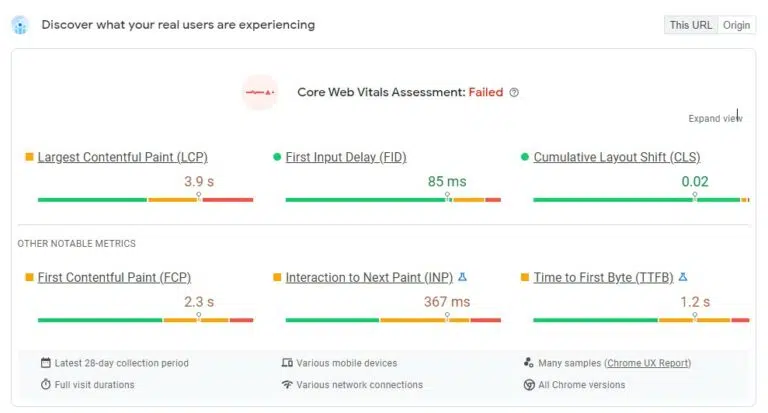
Core Web Vitals & Page Speed: Assess the loading speed of your website’s pages using tools like GTmetrix or Google PageSpeed Insights. Slow loading times can lead to high bounce rates and lower search engine rankings.
Mobile Responsiveness: Check if your website is optimised for mobile devices to provide a seamless browsing experience across different screen sizes. Use Google’s Mobile-Friendly Test to evaluate mobile responsiveness.
Site Architecture: Evaluate the organisation and structure of your website to ensure it facilitates easy navigation for users and search engines. A logical site structure helps search engines understand the hierarchy of your content.
URL Structure: Review the URLs used on your website to ensure they are concise, descriptive, and optimised with relevant keywords. Use hyphens to separate words and avoid using unnecessary parameters.
Internal Linking: Analyse the internal linking structure of your website to ensure it distributes link authority effectively and facilitates navigation. Use descriptive anchor text and strategically link to relevant pages within your site.
Metadata Optimisation: Examine the meta titles and descriptions used on your website to ensure they are optimised with relevant keywords and compelling for both users and search engines. Craft unique and descriptive meta tags for each page.
Schema Markup: Check if your website utilises schema markup to provide search engines with additional information about your products and content, enhancing visibility in search results. Use schema markup for products, reviews, ratings, and other relevant content types.
Indexing Issues:
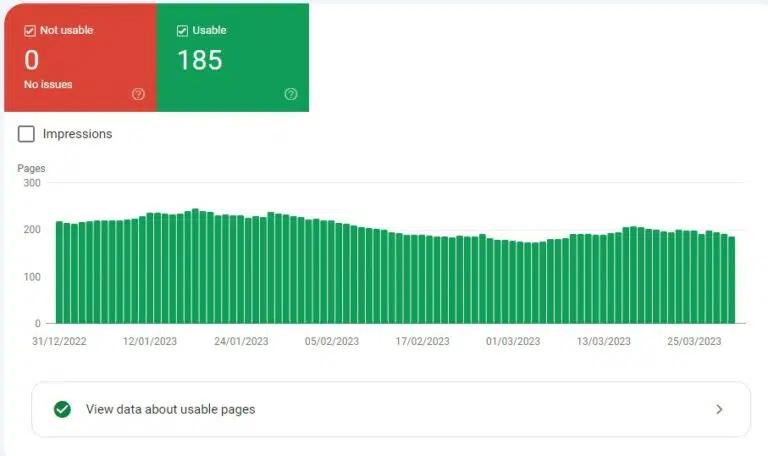
Identify and rectify any indexing issues, such as blocked pages or duplicate content, that could potentially hinder your website’s visibility in search results. Use Google Search Console to monitor index coverage and identify potential issues.
Technical Errors: Conduct a thorough analysis of your website’s code, including HTML and JavaScript, to identify and fix any technical errors that may affect search engine crawling and indexing. Use tools like Screaming Frog and Google Search Console to identify and fix technical errors.
Tools for Conducting Technical SEO Audits
Gathering all the data mentioned above can seem overwhelming, but several tools can streamline the process:
- Screaming Frog: A tool that crawls your website and provides a detailed report of technical SEO issues, such as broken links, missing meta tags, and duplicate content.
- GTmetrix and Google PageSpeed Insights: Tools for analysing the speed and performance of your website, identifying issues that may affect loading times.
- Lighthouse Mobile-Friendly Test: A tool for evaluating mobile responsiveness and identifying any issues that need to be addressed.
- Google Search Console: A valuable free tool offered by Google, designed to assist website owners in identifying and resolving technical SEO issues.
- Schema.org Validator: A tool for validating schema markup to ensure it is correctly implemented and structured.
Steps to Perform a Technical SEO Audit for E-commerce
- Check Your Crawlability
- Assess Website Speed
- Verify Mobile Responsiveness
- Evaluate Site Architecture
- Review URL Structure
- Analyse Internal Linking
- Examine Metadata
- Validate Schema Markup
- Resolve Indexing Issues
- Fix Technical Errors
By conducting a comprehensive technical SEO audit tailored specifically for eCommerce websites, you can optimise your website’s technical infrastructure, thus enhancing user experience and improving search engine visibility.
This, in turn, leads to increased organic traffic, higher rankings, and ultimately, greater success for your eCommerce business.
Should you have any inquiries or require further information on how our eCommerce services can assist in expanding your business, please feel free to leave a comment below or contact us directly.
Tillison Consulting has a team of specialists who offer diverse eCommerce services for various platforms through our eCommerce digital marketing agency. These services include but are not limited to, SEO for eCommerce, Google Shopping, CRO for eCommerce, and others. Let us help you take your eCommerce business to the next level.